Heart mustard, sometimes called mustard cabbage, holds up well to stews and pickling.
February 2013 –
Cooking with Asian Greens
by Thy Tran
Superior Stock
Classically, superior stock involved long simmering of chicken and pork bones, along with the dry-cured Jinhua ham of Eastern China to create a clear, richly flavored and full-bodied base for elegant soups and sauces. It involved expensive ingredients – back when chickens and pigs would only be slaughtered for lavish events – and required a complex process of changing and chilling water for clarifying it. Below are simpler versions that still offer the distinctive flavor of superior stock that showcases so well high-quality, seasonal ingredients.
Version 1: Simple Superior Stock
2 pounds raw chicken bones, especially wings, backs and necks
2 tablespoons kosher salt
3 ounces dry-cured ham (such as Smithfield), chopped
4 scallions, white part only
1 to 2 thick slices ginger, crushed
1 piece dried tangerine peel or a wide strip of fresh orange peel, zest only
-
1.For more flavor, cut through larger bones with a heavy cleaver. Rub the chicken pieces with salt and set aside for 10 minutes. Rinse well with hot water.
-
2.Combine all ingredients in a large pot and add enough cold water to cover bones by 2 inches, about 8 cups.
-
3.Bring just to a simmer over medium-high heat, then reduce heat to low and simmer very gently for 30 minutes. Skim foam. Add 1 cup of cold water and stir the bones. Continue simmering another 2 hours, skimming foam occasionally.
-
4.Strain gently through a fine mesh or several layers of moistened cheesecloth, avoiding breaking up or pressing on the solids. Refrigerate until needed.
Makes about 2 quarts stock.
Version 2: Super-simple Superior Stock
4 cups prepared chicken broth
4 ounces ham, cut into small dice
3 thick slices ginger, crushed gently
5 scallions, white part only, chopped
1 wide strip orange peel
-
1.Combine all the ingredients in a saucepan, or use a large, mesh ball to contain the ham and aromatic flavorings for easy removal. Bring just to a simmer over medium-high heat. Reduce heat to low and simmer for 20 to 30 minutes.
-
2.Remove the aromatics or strain before using.
Makes about 1 quart stock.
©2013 Thy Tran, Wandering Spoon
Dan Dan Noodles with Pickled Mustard Greens
The secret ingredient to this recipe is a good quality fermented bean paste, which lends a deep, rich, smoky flavor to the sauce. Counter to the many versions popular now, the noodles were traditionally made with sesame seed paste, not peanut butter.
There are a wide variety of bean pastes used across Asia, from smooth, light brown pastes to chunky, spicy, robust sauces made with dried black beans. In Sichuan, where these noodles started out as a popular street food, bean paste is typically made with only chiles, broad beans, and salt. If you don’t have fermented bean paste, simply substitute with miso, especially the red varieties, or, in a pinch, increase the amount of soy sauce while adding chile sauce separately.
Marinade
3 cloves garlic, minced
1 1/2 tablespoons grated ginger
1/2 teaspoon salt
1 tablespoon Chinese rice wine or dry sherry, optional
8 ounces minced or ground pork
Sauce
1/3 cup Chinese sesame paste or tahini
2 tablespoons Chinese black vinegar or balsamic vinegar, or more to taste
2 tablespoons chile bean sauce
2 teaspoons sugar
1–2 teaspoons soy sauce, to taste
2 tablespoons Sichuan peppercorn oil
1/2 cup preserved vegetable or pickled mustard, finely chopped
1 pound thick, fresh wheat noodles, preferably without egg (e.g. Shanghai-style)
1 teaspoon roasted sesame oil
1/4 cup scallions, sliced thinly
1/4 cup finely chopped, roasted peanuts or toasted sesame seeds
2 tablespoons Sichuan peppercorns, finely ground, optional
-
1.Mix together the garlic, ginger, salt, and sherry. Add the pork and stir until evenly incorporated. Set aside for 30 minutes, or refrigerate for up to 1 day.
-
2.Boil the noodles in a large pot of boiling, unsalted water just until al dente, typically about 3 minutes for fresh noodles. Do not overcook. Reserving 1 cup of the cooking water, drain noodles in a colander. Rinse them with cold water and drain well. Toss with sesame oil to prevent sticking.
-
3.In a small bowl, stir together the sesame paste, vinegar, chile bean sauce, soy sauce and sugar; set aside.
-
4.In a wok or heavy skillet, heat the oil over high until hot. Add the marinated pork and sear, stirring constantly, just until golden browned, about 3 minutes. Add the reserved sesame paste sauce and the preserved vegetable. Stir in 1/2 to 1 cup of the noodle cooking water to obtain a thick sauce. Bring to a simmer and continue cooking another 2 to 3 minutes, stirring frequently. Remove from heat. (The sauce can be prepared ahead and refrigerated for up to 3 days.)
-
5.Combine the noodles and sesame sauce. Add the sauce and scallions, and stir to coat the noodles evenly. Adjust to taste with more soy sauce or black vinegar, if needed.
-
6.Transfer to a platter or serving bowls, and sprinkle with peanuts or sesame seeds.
For a vegetarian version: Substitute the pork with an equal amount of minced pressed 5-spice tofu. Alternatively, simply omit pork and increase bean sauce by 2 teaspoons.
Makes 4 entrée servings or 8 side servings.
©2013 Thy Tran, Wandering Spoon
Pickled Mustard Greens
In the north and west of China, where winters can be especially long and cold, the abundance of the summer harvest was preserved in myriad ways. Pickled vegetables are now staples in kitchens across China, and none are more popular than members of the sturdy and dependable, crisp and flavorful brassica family.
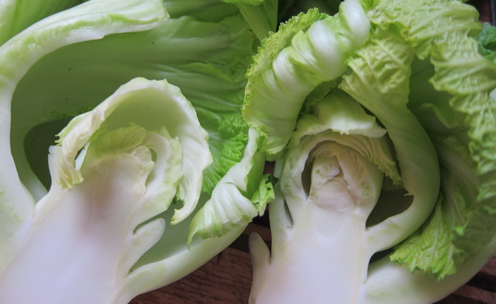
Chinese cooks and diners especially love the plants’ thick stems and large leaves even more than its pungent seeds. Mustard greens appear in markets in different forms, and the selection can be bewildering. For this recipe, look for large, rounded heads of mustard cabbage, with wide, curved stems that layer in a heart shape at their base and leaves of a pale green-yellow color. Avoid using mustard greens with thin straight stems or crinkled leaves: their flavor will be fine, but they will lack the much-loved crunch of the mustard cabbage.
You can purchase many different varieties of preserved mustard in Asian market, and if you grow mustard, pickling them yourself is a great way to extend your garden’s flavors. Wash your pickling jars and rinse them well with boiling water before packing them. When tasting or removing pickles from the jar, always use a clean utensil.
1 small head mustard cabbage, about 1 1/2 pounds
3 tablespoons kosher salt
2 tablespoons sugar
2 tablespoons distilled vinegar
Thin ginger slices, optional
Dried chile flakes, optional
-
1.Split the heads in quarters lengthwise and rinse well with tepid water, making sure to remove all the grit between the stems.
-
2.Bring a large pot of water to a boil. Add the cabbage and cook for about 1 minute; the mustard should turn bright green in color and remain crisp. Rinse in cold water to stop the cooking.
-
3.Pack the mustard well in a large, clean glass jar. Mix the sugar, vinegar and desired flavorings with a small amount of warm water until the sugar is dissolved. Pour into the jar, and then add additional tepid water to cover the greens. Fill to ¼ inch of the rim and cover tightly. Invert the jar a few times to mix the ingredients.
-
4.Leave in a warm place for 3 to 6 days. When the pickle reaches the desired level of tartness, drain the liquid and refrigerate the pickle.
©2013 Thy Tran, Wandering Spoon
© Thy Tran